Recovery Techniques For Runners After Long Runs
Completing a long run places significant stress on the musculoskeletal system. The repetitive impact and sustained muscular effort can lead to microdamage in muscle fibers and connective tissues, which often manifests as soreness and temporary reductions in performance. Understanding the physiological processes that occur after a long run is essential for designing effective recovery strategies. The body initiates a complex repair cascade that involves inflammation, cellular signaling, and tissue remodeling. Each runner’s response to this stress varies based on factors such as training history, age, genetics, and overall health status.
Recovery is not a single action but a multifaceted process that can be influenced by several practices. Methods like foam rolling, cold therapy, and active recovery are commonly discussed in running communities as ways to potentially alleviate soreness and support the return to training. In addition, lifestyle factors such as sleep and nutrition play integral roles in how efficiently the body repairs itself. This article outlines several recovery techniques, emphasizing the underlying principles and the context in which they might be considered. It is important to note that individual responses can differ, and no single approach guarantees a specific outcome.
Before exploring specific techniques, it is helpful to recognize that recovery is highly individualized. What works well for one runner may not be optimal for another, and factors such as the intensity and duration of the long run, the surface run on, and the runner’s current fitness level all interact. The information presented here is intended for educational purposes and should not replace professional medical advice. Runners with persistent pain or underlying conditions should consult a qualified healthcare provider.
Foam Rolling: Mechanism and Application
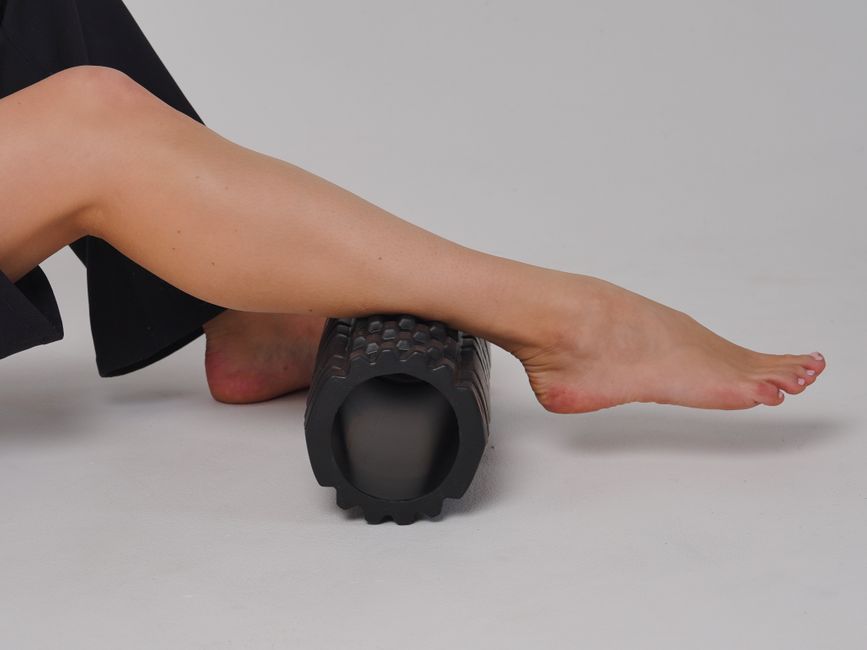
Foam rolling is a form of self-myofascial release that involves using a cylindrical foam device to apply pressure to specific muscle groups. The technique is thought to influence the fascia—the connective tissue that surrounds muscles—and may help modulate pain perception and improve range of motion. When performed after a long run, foam rolling typically targets large muscle groups such as the quadriceps, hamstrings, calves, and glutes. The pressure applied can create a temporary ischemic effect, which may stimulate blood flow and potentially reduce stiffness. However, the exact physiological mechanisms are still under investigation, and effects can vary widely among individuals.
To incorporate foam rolling into a recovery routine, a runner might spend one to two minutes per muscle group, using slow, controlled movements. It is generally recommended to avoid rolling directly over bony prominences or areas of acute injury. Some evidence suggests that foam rolling can temporarily increase flexibility without impairing performance, making it a practical option before or after activity. Yet, it is not a substitute for professional treatment when pain persists. The practice should be approached as one component of a broader recovery plan, and its benefits are likely contingent on consistent application and proper technique.
While foam rolling is widely accessible, the pressure applied and the duration can influence the experience. Some runners find that a firmer roller provides more intense sensation, while others prefer a softer surface. It is advisable to start with lighter pressure and gradually increase as tolerance allows. Because the response to foam rolling is subjective, tracking how the body feels before and after can help determine if it is a useful tool for a particular individual. As with any recovery method, moderation and attention to bodily signals are key.
Cold Therapy: Types and Considerations
Cold therapy, often in the form of ice baths or cold water immersion, is a popular post-run recovery method. Exposure to cold temperatures is thought to cause vasoconstriction, which may reduce blood flow to the affected areas and potentially lessen inflammation and swelling. This effect might help manage soreness, although the evidence regarding its impact on muscle repair and performance is mixed. Some studies suggest that cold therapy can attenuate the inflammatory response, but this could also blunt certain adaptive processes that are necessary for long-term training gains. Therefore, the timing and frequency of cold therapy may matter, and it is not universally recommended for all runners.
Typical protocols involve immersing the lower body in water at temperatures between 50°F and 59°F (10°C to 15°C) for 10 to 15 minutes. Alternatively, contrast therapy—alternating between cold and warm water—is sometimes used, though its superiority over cold alone is not firmly established. Cold therapy is generally not advised for individuals with cardiovascular conditions, Raynaud’s syndrome, or cold allergies. It should also be avoided immediately before strength training, as it may reduce muscle activation. Runners considering cold therapy might experiment with different durations and temperatures to find a tolerable approach, but they should be aware that individual responses can differ significantly.
It is important to note that cold therapy is not a mandatory recovery step. Some runners find it helpful for managing acute soreness, while others may not experience noticeable benefits. The decision to use cold therapy should be based on personal preference, convenience, and professional guidance if needed. As with all recovery modalities, it is one tool among many and should be integrated thoughtfully into a comprehensive recovery strategy.
Active Recovery: Gentle Movement to Promote Circulation
Active recovery refers to low-intensity exercise performed after a strenuous run to promote blood flow and potentially aid in the removal of metabolic byproducts. Activities such as walking, easy cycling, swimming, or yoga can be considered active recovery. The goal is to increase circulation without imposing additional significant stress on the muscles. This gentle movement may help reduce stiffness and alleviate soreness, though the evidence for its direct effect on muscle repair is not definitive. Active recovery is often recommended for the day after a long run, when the body is still recovering but capable of light activity.
The intensity and duration of active recovery should be kept minimal. For example, a 20- to 30-minute walk or a leisurely bike ride at a conversational pace may be appropriate. The key is to avoid any activity that replicates the intensity or impact of the long run itself. Heart rate monitoring can be a useful guide; keeping it in a low zone (e.g., under 60% of maximum) helps ensure the activity remains restorative. Some runners incorporate dynamic stretching or mobility drills into their active recovery sessions, which can further support range of motion and flexibility.
Active recovery is not a substitute for rest, but it can be a valuable adjunct. It may also provide psychological benefits by maintaining routine and reducing feelings of sluggishness. However, if soreness is severe or if there are signs of injury, rest may be more appropriate. Runners should listen to their bodies and adjust the intensity or type of activity accordingly. Active recovery is best viewed as a flexible option that can be tailored to individual needs and circumstances.
Sleep: The Foundation of Muscle Repair
Sleep is a critical component of recovery that is often overlooked. During sleep, the body enters an anabolic state where tissue repair and growth occur. Growth hormone is released predominantly during deep sleep, which facilitates muscle protein synthesis and the repair of damaged tissues. Additionally, sleep supports immune function, nervous system recovery, and hormonal balance, all of which are essential for adapting to training stress. Chronic sleep deprivation can impair these processes, potentially leading to increased soreness, reduced performance, and higher injury risk.
For runners, aiming for 7 to 9 hours of quality sleep per night is generally recommended. Sleep quality can be influenced by factors such as room temperature, light exposure, and caffeine intake. Establishing a consistent sleep schedule and a relaxing bedtime routine may help improve sleep duration and depth. Naps can also be beneficial, particularly after a long run, as they provide additional opportunities for recovery. However, individual sleep needs vary, and some runners may function well with slightly less sleep, while others require more.
It is important to recognize that sleep is not a passive process but an active physiological state that supports recovery. Prioritizing sleep may enhance the effectiveness of other recovery techniques. For instance, proper sleep could augment the benefits of nutrition and active recovery. Because sleep needs are individual, self-monitoring and adjustment are key. Runners who consistently struggle with sleep might consider consulting a healthcare professional to rule out sleep disorders.
Protein and Nutrition: Supporting Tissue Repair
Nutrition plays a vital role in recovery, particularly the intake of protein, which provides the amino acids necessary for muscle protein synthesis. After a long run, muscle protein breakdown exceeds synthesis, creating a negative balance that can lead to soreness and fatigue. Consuming protein in the post-run period can help shift the balance toward repair and adaptation. The timing and amount of protein intake may influence the recovery process, though optimal strategies can vary based on total daily intake and training load.
General guidelines suggest consuming 20 to 30 grams of high-quality protein within a few hours after a long run. This could include sources such as lean meats, dairy, eggs, or plant-based combinations like rice and beans. Some research indicates that adding carbohydrates alongside protein may further aid recovery by replenishing glycogen stores. However, the overall daily protein intake—typically 1.2 to 2.0 grams per kilogram of body weight for endurance athletes—is likely more important than any single post-run meal. Individual needs depend on factors such as body weight, training intensity, and dietary preferences.
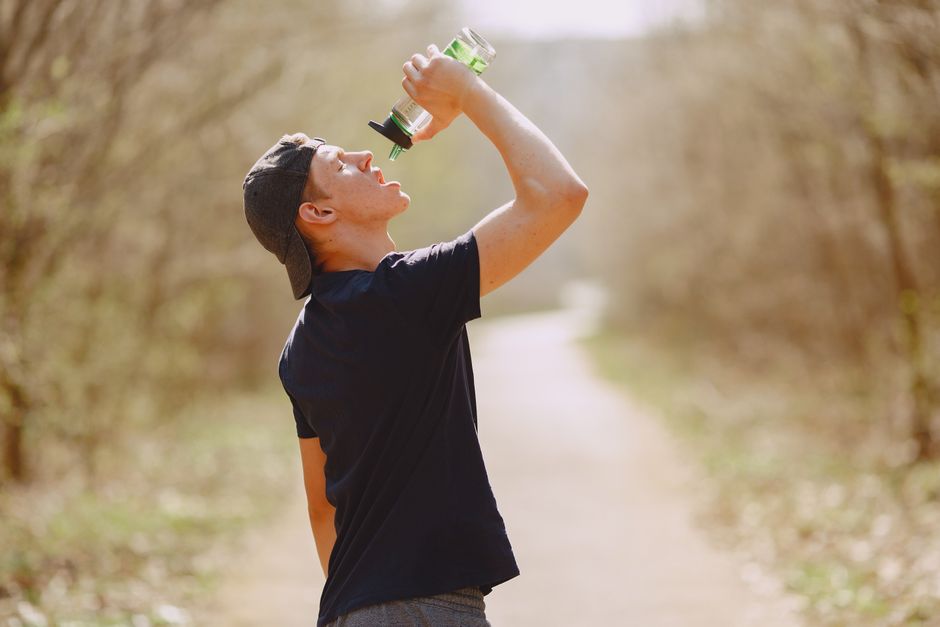
Hydration and electrolytes are also important for recovery, as sweat losses can lead to dehydration and imbalances that impair muscle function. Consuming fluids and electrolytes after a long run can help restore balance. While nutrition can support recovery, it is not a magic bullet; it works in concert with other factors like sleep and rest. Runners should aim for a balanced diet that meets their energy and nutrient needs, and consider consulting a sports dietitian for personalized advice.
In summary, recovery after long runs involves a combination of techniques that address different aspects of the repair process. Foam rolling, cold therapy, and active recovery may help manage soreness and maintain mobility, while sleep and protein intake support the underlying physiological restoration. These methods are not one-size-fits-all, and their effectiveness can be influenced by numerous individual and contextual factors. Runners are encouraged to experiment responsibly and prioritize consistency and moderation. It is always advisable to seek guidance from qualified professionals when unsure about any recovery approach.