Choosing The Right Running Shoes For Your Gait
When selecting running shoes, understanding your individual gait pattern is a fundamental step that can influence comfort and potentially reduce the risk of discomfort during runs. Gait analysis, which often includes observing how your foot rolls inward or outward during the stride, provides a framework for matching shoe features to your biomechanics. The process is not about finding a single “best” shoe but rather about identifying characteristics that align with your movement patterns and preferences.
This article explores the key elements of gait analysis, focusing on pronation—the natural inward roll of the foot—and its variations: neutral pronation, overpronation, and supination. It also examines how shoe characteristics such as cushioning, heel-to-toe drop, and fit interact with these patterns. The information presented is for educational purposes and should not replace professional advice from a podiatrist, physical therapist, or other qualified specialist.
By considering these factors, you can make more informed decisions when trying on shoes, whether you shop at a specialty running store or online. Keep in mind that individual results vary, and factors like training volume, terrain, and foot shape also play significant roles.
Understanding Pronation and Its Variations
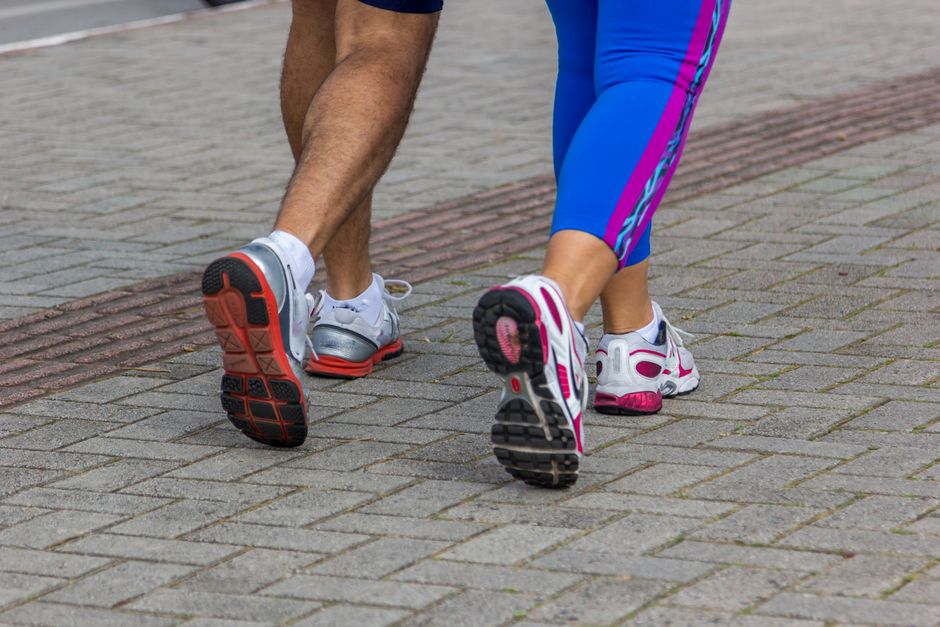
Pronation is a natural movement that occurs as your foot makes contact with the ground and then rolls inward to absorb shock. It is a normal part of the gait cycle and helps distribute the forces of impact. However, the degree and timing of pronation can vary widely among individuals. When pronation is within a typical range, it is often referred to as neutral pronation. In this pattern, the foot rolls inward approximately 15 percent and then resupinates to push off efficiently.
Overpronation occurs when the foot rolls inward excessively, often beyond 15 percent, and may not resupinate effectively for push-off. This pattern is common and can be associated with a lower arch or flexible foot type. Supination, also known as underpronation, is less common and involves insufficient inward roll; the foot may stay on the outer edge, leading to poor shock absorption. Each pattern can influence how forces are distributed through the foot, ankle, and leg.
It is important to note that pronation is not inherently bad; it is a functional mechanism. The goal is not to eliminate pronation but to find footwear that supports your natural motion without forcing an unnatural correction. A professional gait analysis, which may involve treadmill running or video observation, can provide more detailed insights than self-assessment alone.
The Role of Cushioning in Shoe Selection
Cushioning refers to the material in the midsole that absorbs impact forces. Shoes are often categorized by the amount and type of cushioning: maximal, moderate, or minimal. The appropriate level depends on factors such as your weight, running surface, mileage, and personal preference. For example, runners who experience high impact forces may benefit from more cushioning, while those who prefer a closer-to-ground feel might opt for less.
In relation to gait, overpronators may find that shoes with firmer cushioning in the midfoot and medial (inner) side provide additional support. However, cushioning alone does not control motion; it primarily affects comfort and shock attenuation. Supinators often need softer cushioning to encourage more inward roll and better shock absorption, as their foot may not pronate enough to dissipate forces naturally. Neutral pronators typically have a wide range of cushioning options.
It is also worth considering that cushioning can degrade over time, and shoes may need replacement after a certain number of miles—often between 300 and 500 miles, though this varies. Keeping a training log can help track mileage and inform replacement decisions. Remember that no shoe can guarantee injury prevention; multiple factors contribute to running-related discomfort.
Heel-to-Toe Drop and Its Implications
Heel-to-toe drop, or offset, is the difference in height between the heel and forefoot of the shoe, typically measured in millimeters. Common drops range from 0 mm (zero-drop) to 12 mm or more. A higher drop tends to place more emphasis on heel striking and may be preferred by those who experience tightness in the calf or Achilles tendon. A lower drop encourages a more midfoot or forefoot strike, which can alter loading patterns.
For individuals with overpronation, a moderate drop (e.g., 8–12 mm) is often combined with stability features, but drop itself does not directly control pronation. Supinators may benefit from a higher drop to reduce strain on the Achilles and to promote a smoother transition, though evidence is mixed. Neutral runners can experiment with different drops to find what feels most natural.
Transitioning to a different drop should be gradual to allow the body to adapt. Sudden changes can lead to calf tightness or other discomfort. It is advisable to rotate shoes with different drops or to introduce a new drop slowly over several weeks. As always, individual responses vary, and what works for one person may not work for another.
Fit: The Foundation of Comfort and Function
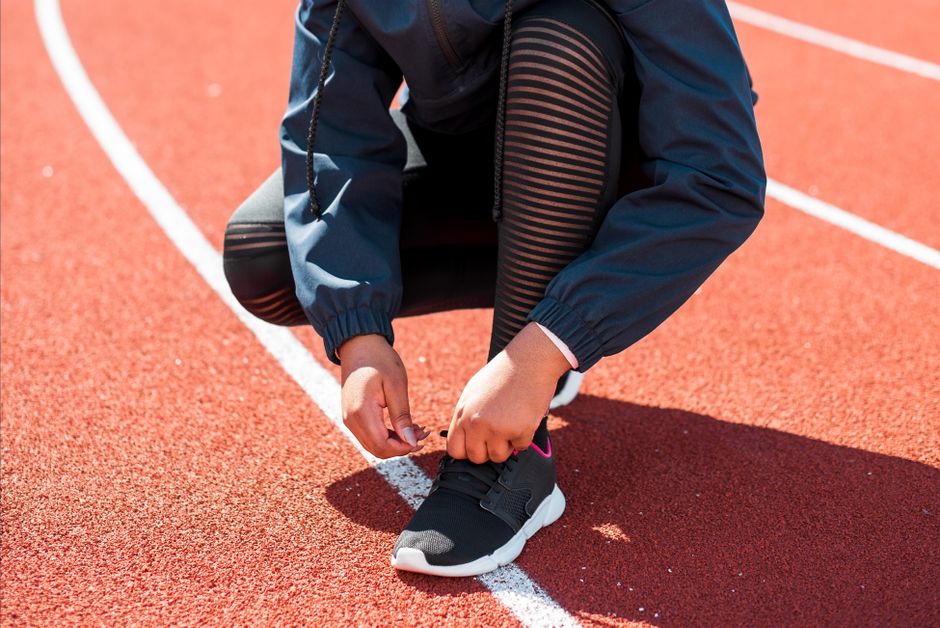
Proper fit is arguably the most critical aspect of shoe selection, regardless of gait category. A shoe that is too small or too narrow can cause blisters, black toenails, and general discomfort. A shoe that is too large may lead to slipping and instability. The general recommendation is to have a thumb’s width of space between the longest toe and the front of the shoe when standing.
When trying on shoes, consider the following:
- Measure your feet later in the day when they are slightly larger.
- Wear the socks you typically run in.
- Ensure the heel is snug and does not slip.
- Check that the widest part of your foot aligns with the widest part of the shoe.
- Walk or jog around to assess comfort.
For overpronators, shoes with a wider platform or a more substantial medial post may provide a better fit and support. Supinators may prefer a shoe with a curved last (shape) that accommodates a higher arch. Neutral runners often have the flexibility to choose from a variety of fits. Additionally, some brands like PaceWorks offer models with different widths, which can be beneficial for those with wide or narrow feet.
Integrating Gait Analysis with Shoe Features
Combining gait analysis with shoe features requires a systematic approach. Start by determining your pronation pattern through self-observation or professional analysis. Then, consider your typical running terrain, mileage, and any history of discomfort. Use this information to narrow down shoe categories: stability, neutral, or motion control. Stability shoes often have a combination of cushioning and support features like medial posts or guide rails, while motion control shoes offer firmer support for severe overpronation. Neutral shoes provide cushioning without added stability elements.
When testing shoes, pay attention to how they feel during a short run. A shoe that feels supportive and comfortable initially may reveal issues after a few miles. Some specialty stores allow returns within a trial period, which can be helpful. Keep in mind that shoe technology evolves, and what worked in the past may not be the best option today.
Finally, remember that gait can change over time due to factors such as fatigue, strength, and footwear. Periodic reassessment may be beneficial, especially if you notice changes in comfort or performance. The information here is not a substitute for professional guidance; consulting a specialist can provide personalized recommendations.